Imagine investing in a dental crown… only to see it fail much sooner than expected.
Was it the crown’s fault? Or something you didn’t know?
The Truth Behind the Lifespan of a Crown
Most people are told a crown lasts 10 to 15 years. That’s partly true—but also misleading. Some crowns fail in five years. Others stay strong for over 20. The difference? It’s not just about the material or the dentist. It’s about what happens after you leave the chair.
Dental crowns don’t last forever, and no one should expect them to. But what most patients never hear is that how you care for them daily is what truly determines their life expectancy.
Your Crown Isn't Invincible
A crown covers and protects your tooth, but it doesn’t seal it off completely.
The tooth underneath is still alive. It can still get cavities. It can still get infected. Crowns don’t prevent bacteria from sneaking in—especially if you’re not brushing and flossing properly.
If you rush through your brushing or skip flossing altogether, bacteria can find their way under the edge of the crown. That’s how new decay starts, often silently. And once that decay spreads, the crown fails—and you’re back to square one.
Not All Crowns Are Created Equal
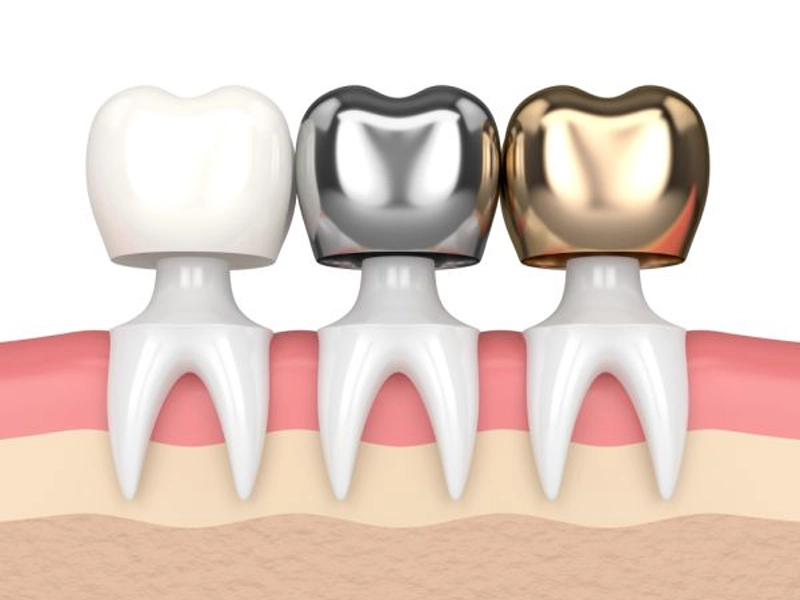
Different materials, different results:
- Porcelain-fused-to-metal is strong, but may leave a dark line near the gum.
- All-ceramic is beautiful and natural-looking, but more fragile.
- Gold lasts the longest, but few people want visible metal.
But even the strongest crown won’t survive if you grind your teeth every night or chew ice. The truth is: habits destroy crowns faster than time.
The Silent Killer: Teeth Grinding
Many people grind their teeth at night and don’t even know it.
This constant pressure wears down enamel—and your crown too.
A nightguard can protect your crown, but you need to wear it consistently. Unfortunately, most people only find out they’re grinding after the damage has been done. If your jaw feels sore in the morning, or if you’ve cracked a crown before, it’s time to bring it up with your dentist.
Your Bite Matters More Than You Think
If your crown is even slightly too high or misaligned, it will take more pressure than it should. That extra force can:
- Loosen the cement holding it in place
- Crack the ceramic
- Cause jaw discomfort or sensitivity
After placement, if your bite doesn’t feel “just right,” don’t ignore it. A minor adjustment can save you from major problems.
Your Diet Plays a Bigger Role Than You Think
What you eat matters—especially after a crown.
Sticky foods like caramel or hard candies can loosen or break the crown. Acidic drinks can weaken the cement over time. And sugar? It feeds bacteria hiding along the gumline.
One treat won’t ruin your crown. But repeated exposure, without great hygiene, absolutely will.
Gum Recession and Aging: A Natural Challenge
Even with great care, gums naturally recede as we age.
This exposes the edge of the crown—and the vulnerable part of the tooth.
That’s when you start to notice dark lines, sensitivity, or even pain. Regular cleanings and checkups help catch these changes early—before the crown fails.
The Cement Secret No One Talks About
One final, often-overlooked factor: the cement used to bond the crown.
Not all cements are equal. Some weaken faster, especially if exposed to moisture. If your crown wasn’t sealed perfectly, or the edge wasn’t polished properly, bacteria may already be working their way in.
That’s why a dentist’s skill and precision matter just as much as the crown itself.
So… How Long Will Your Crown Really Last?
The honest answer is: it depends on you.
Yes, the material matters. Yes, the dentist’s technique matters. But in the end, your crown will last as long as you take care of it.
With good hygiene, a balanced bite, night protection, and routine checkups, your crown could last 20 years or more. But neglect those basics, and even the best crown could fail in five.
You got a crown to protect your tooth. But the crown can’t protect itself.
Now that you know what really affects its lifespan, you can make sure it lasts as long as possible—and avoid costly, painful surprises down the road.
Related Posts

Professional Teeth Whitening: Brighten Your Smile Safely and Effectively
Professional Teeth Whitening: Brighten Your Smile Safely and Effectively A brighter smile can make a powerful first impression—and it’s one
Dental Implants: A Permanent Solution for Missing Teeth
Dental Implants: A Permanent Solution for Missing Teeth Missing teeth can affect much more than your smile—they can impact your